What is Dementia?

Dementia is not a disease but an umbrella term describing a set of symptoms caused by physical diseases that affect the brain. It is not a normal part of aging, and it is progressive disease which worsen over time.

Common Signs and Symptoms

  • Memory problems (forgetting recent events or names)
  • Difficulty planning or solving problems
  • Finding it hard to complete familiar tasks
  • Confusion about time or place
  • Problems with language (finding words)
  • Changes in mood, personality or behaviour
  • Loss of interest in hobbies or social activities

NOTE: Everyone's experience is different. Some people show only a few of these signs early on.

Common Types of Dementia

There are following main type of Dementia.

Alzheimer's Disease

Caused by plaques and tangles in the brain. It typically results in early problems with short-term memory, judgment, and language.

Vascular Dementia

Caused by reduced blood flow to the brain, often following strokes or mini-strokes. Symptoms may vary depending on the area of the brain affected.

Dementia with Lewy Bodies

Involves abnormal protein deposits (Lewy bodies) in the brain. Key symptoms include visual hallucinations, fluctuations in attention, and movement issues similar to Parkinson's.

Frontotemporal Dementia

Affects the frontal and temporal lobes, leading to changes in personality, behavior, and language skills, often in younger individuals (under 65).

NOTE: One person could have more than one cause at the same time (for example, Alzheimer’s + vascular) it is known as Mixed Dementia.

What causes dementia?

Dementia is caused by damage to brain cells. Different diseases damage the brain in different ways — for example, by forming abnormal clumps of protein, or by reducing blood flow to parts of the brain. Age is a risk factor, but dementia can also be linked to genetics, high blood pressure, diabetes, smoking, and head injuries.

Person-Centred Philosophy

The Person-Centred Philosophy: Accodring to me it is a person centered approach instead task centered. It means to view a person holisticly not a patient with daignos. Our focus should be person's unique preferences and emotional state of mind. As a CCA we should ensure that all our interactions should preserve thier dignity and self worth. we should promote independence, dignity, and enhance the quality of life for our residents. It is not only about care but also a partnership between individuals and their clients. We should respect their life experiences and autonomy. We all believe in the true care achieved through a collaborative approach, built on trust, respect, and understanding of each other's needs.

Tool 1: Mastering Connection — Verbal and Non-Verbal

Effective communication is the first critical tool in person-centred care. It is how we bridge the gap created by cognitive changes, ensuring the message we send, both spoken and unspoken, is clear, respectful, and comforting. This intentional approach validates the person's reality and is key to reducing distress.
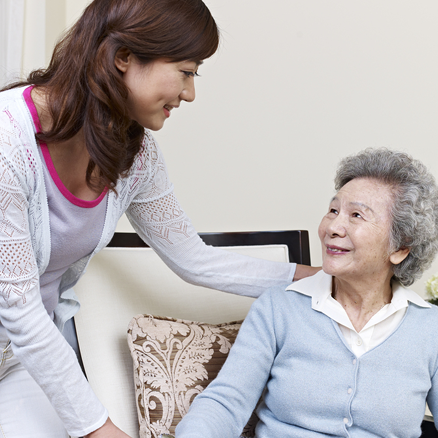

Verbal Best Practices

  • Speak slowly and clearly using a warm tone.
  • Use short, simple sentences (one idea per sentence).
  • Avoid "why" questions and complex choices.
  • Wait 10-20 seconds for a response before repeating.
  • Use appropreate words "person living with dementia" not "demented patient.", "Responsive Behaviors" not "problem behaviors."

Non-Verbal Focus

  • Approach from the front slowly.
  • Maintain eye contact at their level (sit down).
  • Use gentle touch (hand on shoulder) to convey comfort.
  • Maintain a calm, relaxed posture and smile often.

Tool 2: U-First! Collaborative Care Tool

The U-First! Wheel is a critical Collaborative Care Tool used for care planning and responding to changes in behavior. It ensures a systematic, person-centred approach to assessing the needs of persons with dementia.

The 6 Core Steps

  1. Understand the behavior.
  2. Find the cause of the behavior (the unmet need).
  3. Intervene with a person-centred strategy.
  4. Respond immediately to a safety risk.
  5. Share what works with the team.
  6. Take care of yourself.

Behavioral Insight & Intervention

Understanding the behavior is a communication of an unmet need, such as pain, confusion, or loneliness. Our response must be a prevention and/or intervention strategy that addresses that underlying need.

  • Prevention: Ensuring routines are consistent and the environment is calm.
  • Intervention: Validate their feeling first, then redirect to a meaningful activity (recreation strategy).
  • Example: If they are pacing (unmet need for exercise/purpose), offer a walk or a simple task like folding towels.

Summary of Key Concepts

By applying the person-centred philosophy, mastering Communication Strategies (Tool 1), and utilizing the U-First! Collaborative Care Tool (Tool 2), we successfully demonstrate the use of key concepts and insights into behavior and needs. This document is intended to serve as a comprehensive digital brochure.